

Introduction
Morocco stands as one of North Africa’s most geographically diverse nations, a country where the Mediterranean coast meets Atlantic beaches, where imperial cities pulse with centuries of history, and where the Sahara Desert stretches endlessly toward the horizon. Yet among all these wonders, it is perhaps the mountain ranges that offer the most transformative experiences for adventurous travelers seeking to connect with nature, challenge themselves physically, and discover Morocco far from the well-trodden tourist circuits. The High Atlas Mountains, rising majestically across central Morocco with peaks soaring above 4,000 meters, and the Anti-Atlas Mountains, extending toward the south with their dramatic rock formations and hidden valleys, together create an adventure playground unlike any other in Africa. These mountain ranges are not merely geographical features on a map; they are living landscapes where Berber communities have thrived for millennia, where ancient mule trails wind through cedar forests and across alpine meadows, where snow-capped summits give way to desert plains, and where the silence of high altitude is broken only by the wind and the distant tinkling of goat bells.
For those who seek to explore Morocco beyond the bustling souks of Marrakech or the blue streets of Chefchaouen, biking and trekking through the High Atlas and Anti-Atlas Mountains offers an unparalleled opportunity to witness the country’s raw beauty, experience authentic Berber hospitality, and push personal boundaries in some of the most spectacular terrain Africa has to offer. Whether pedaling along mountain roads that switchback through terraced valleys, hiking multi-day routes that traverse remote passes, or simply spending a day exploring villages accessible only by foot or bike, the Atlas Mountains deliver experiences that resonate long after the journey ends. This is adventure travel at its finest: physically demanding yet culturally enriching, challenging yet accessible to those with reasonable fitness, and rewarding in ways that go far beyond the summit photos and trail statistics.
The appeal of mountain biking and trekking in the Atlas ranges lies not only in the dramatic landscapes but also in the remarkable diversity of experiences available. In a single week, adventurers can climb from semi-arid valleys dotted with almond trees to high alpine passes where snow lingers into summer, descend into lush oases hidden in canyon floors, and traverse ridgelines offering views that stretch from the Sahara to the Atlantic. The trails here range from technically demanding single-track paths requiring advanced skills to gentle valley routes suitable for families, from multi-day expeditions requiring camping and navigation skills to comfortable inn-to-inn treks with hot showers and home-cooked meals each evening. This versatility makes the Atlas Mountains equally appealing to hardcore adventurers seeking their next challenge and to casual travelers simply wanting to spend a few days hiking in beautiful surroundings.Atlas Cultural Foundation
Why the High Atlas and Anti-Atlas Are Perfect for Biking and Trekking
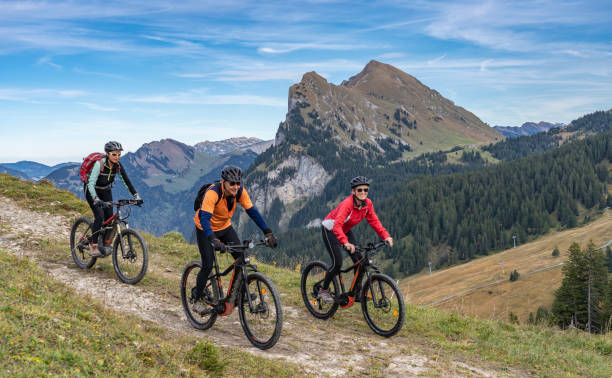
Choosing the Atlas Mountains as a destination for biking and trekking adventures is a decision supported by numerous compelling factors that extend far beyond simply spectacular scenery. First and foremost is the sheer scale and variety of the mountain terrain available. The High Atlas stretches approximately 700 kilometers across Morocco, creating a formidable barrier between the northern cities and the southern desert regions. Within this vast range lie countless valleys, each with its own character and possibilities for exploration. The Toubkal region, home to North Africa’s highest peak at 4,167 meters, attracts serious trekkers aiming for the summit, while gentler valleys like the Ait Bouguemez offer easier terrain perfect for cycling and moderate hiking. The Anti-Atlas, meanwhile, presents a completely different character: older geologically, more arid, and featuring dramatic rock formations, deep gorges, and prehistoric rock art sites that add cultural dimensions to physical adventures.Toubkal National Park Official Information
The climate of the Atlas Mountains provides another significant advantage for outdoor adventures. Unlike the intense heat that can make summer travel uncomfortable in Morocco’s cities and desert regions, the mountains offer cooler temperatures and pleasant conditions during the warmer months. From April through October, trekkers and bikers find ideal weather for extended outdoor activities, with warm days, cool nights, and minimal rainfall outside the winter months. Even in winter, when snow blankets the highest peaks and passes, lower valleys remain accessible and offer excellent conditions for biking and lower-altitude trekking. This extended season means that the Atlas Mountains can accommodate active travelers throughout most of the year, with each season bringing its own particular charms: wildflowers carpeting meadows in spring, lush green valleys in early summer, golden harvest colors in autumn, and dramatic snow-covered peaks providing stunning backdrops in winter.
Beyond the natural advantages, the cultural dimension of Atlas Mountain adventures sets them apart from mountain experiences elsewhere in the world. Unlike wilderness areas where human presence is minimal or absent, the Atlas Mountains are home to thriving Berber communities whose ancestors have inhabited these valleys for thousands of years. Trekking and biking routes inevitably pass through villages where traditional ways of life continue largely unchanged, where locals still cultivate terraced fields using centuries-old techniques, where women gather at communal wells, and where hospitality remains a sacred duty. This means that mountain adventures in Morocco are never solely about physical challenges or natural beauty; they are equally about human connections, cultural exchanges, and gaining insight into how people have adapted to and thrived in challenging mountain environments. Sharing mint tea in a village home, observing traditional bread-making in a clay oven, or learning about irrigation systems that have sustained agriculture in arid conditions for generations adds immeasurable richness to the adventure experience.
The infrastructure supporting biking and trekking in the Atlas Mountains has developed significantly in recent years, making these adventures more accessible while generally preserving the authentic character of the experience. Numerous established routes now offer options ranging from fully supported guided tours with luggage transport and arranged accommodations to completely independent adventures for experienced mountain travelers. Local guides, many from the villages themselves, provide invaluable knowledge of trails, cultural context, and safety considerations. Mountain refuges, gîtes d’étape, and homestays have been established in strategic locations, offering comfortable overnight options without the need to carry camping equipment on every trek. For mountain bikers, bike rental facilities in gateway towns like Imlil and Tafraoute provide quality equipment, while increasing numbers of tour operators specialize in cycling adventures tailored to various skill levels.

Essential Routes and Destinations for High Atlas Adventures
The High Atlas Mountains offer an almost overwhelming variety of routes for both trekking and biking, ranging from short day trips easily accessible from Marrakech to multi-week expeditions exploring remote corners of the range. Understanding the major regions and signature routes helps adventure travelers plan trips matching their interests, fitness levels, and available time.
The Toubkal region stands as the most famous and frequently visited area of the High Atlas, and for excellent reasons. Mount Toubkal itself, at 4,167 meters, challenges trekkers with a demanding but non-technical climb to North Africa’s rooftop. The standard ascent typically requires two to three days: hiking from the roadhead village of Imlil to the Toubkal Refuge at 3,207 meters on day one, summiting early on day two to avoid afternoon weather and enjoy sunrise views stretching to the Sahara, then descending back to Imlil. While thousands attempt Toubkal each year, the ascent should not be underestimated; altitude sickness affects many climbers, weather can change rapidly, and snow and ice conditions in winter require proper equipment and experience. However, for those in good physical condition and properly acclimatized, reaching the summit delivers an extraordinary sense of achievement and truly spectacular panoramic views.Berber Village Experience Programs
Beyond Toubkal itself, the surrounding region offers superb trekking options that receive far less traffic while providing equally rewarding experiences. The Azzaden Valley, accessible from Imlil, features beautiful walking through walnut groves, terraced villages, and eventually high passes offering access to the Toubkal massif from the west. Multi-day treks can loop through several valleys, staying in local gîtes each night and experiencing different facets of mountain Berber life. The Ourika Valley, closer to Marrakech, provides easier access and gentler terrain suitable for day hikes and introductory treks, with the added attraction of Setti Fatma waterfalls and riverside cafés where weary hikers can refresh themselves.
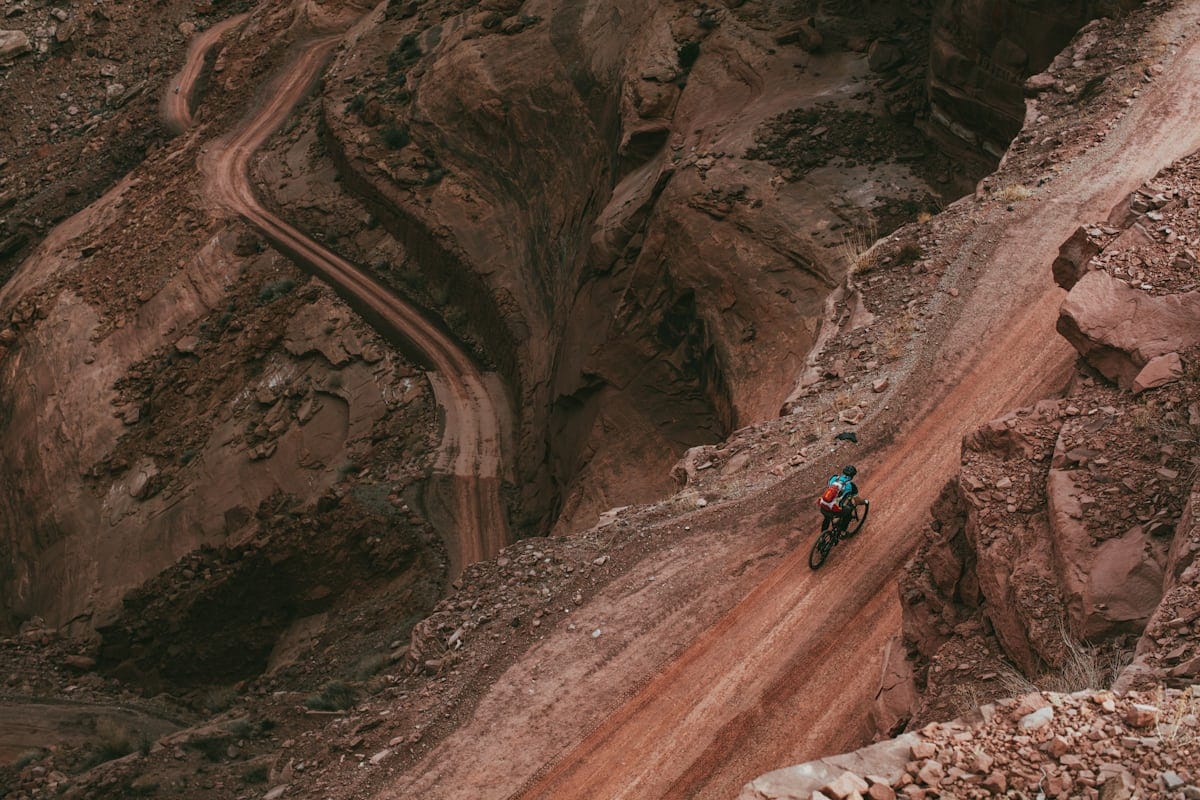
For mountain bikers, the High Atlas presents both challenges and extraordinary rewards. The roads crossing major passes like Tizi n’Tichka, Tizi n’Test, and Tizi n’Tagharat offer demanding climbs with spectacular descents, though sharing space with vehicle traffic requires caution. More appealing for many cyclists are the countless dirt roads and tracks linking villages throughout the range. The valley roads around Imlil, while steep in sections, provide excellent day rides combining physical challenge with cultural encounters and stunning scenery. More ambitious mountain bikers tackle multi-day routes like the traverse from Imlil to the Ait Bouguemez Valley, a challenging journey crossing high passes and requiring technical riding skills, proper equipment, and usually the support of a guide and luggage transport.
The Ait Bouguemez Valley, often called the “Happy Valley,” deserves special mention as perhaps the most appealing destination for those seeking gentler adventures or family-friendly options. This long, relatively flat valley sits at around 2,000 meters elevation and stretches for roughly 30 kilometers, dotted with traditional Berber villages constructed from stone and mudbrick. Cycling the valley floor offers easy, scenic riding with numerous opportunities to stop in villages, visit ancient granaries perched on hillsides, and interact with local communities. Trekking options include short walks to nearby waterfalls, day hikes to viewpoints overlooking the valley, or longer routes climbing to high passes for more challenging adventures. The valley’s accessibility combined with its authentic character makes it ideal for travelers wanting mountain experiences without extreme physical demands.
Discovering the Anti-Atlas: Morocco’s Hidden Mountain Gem
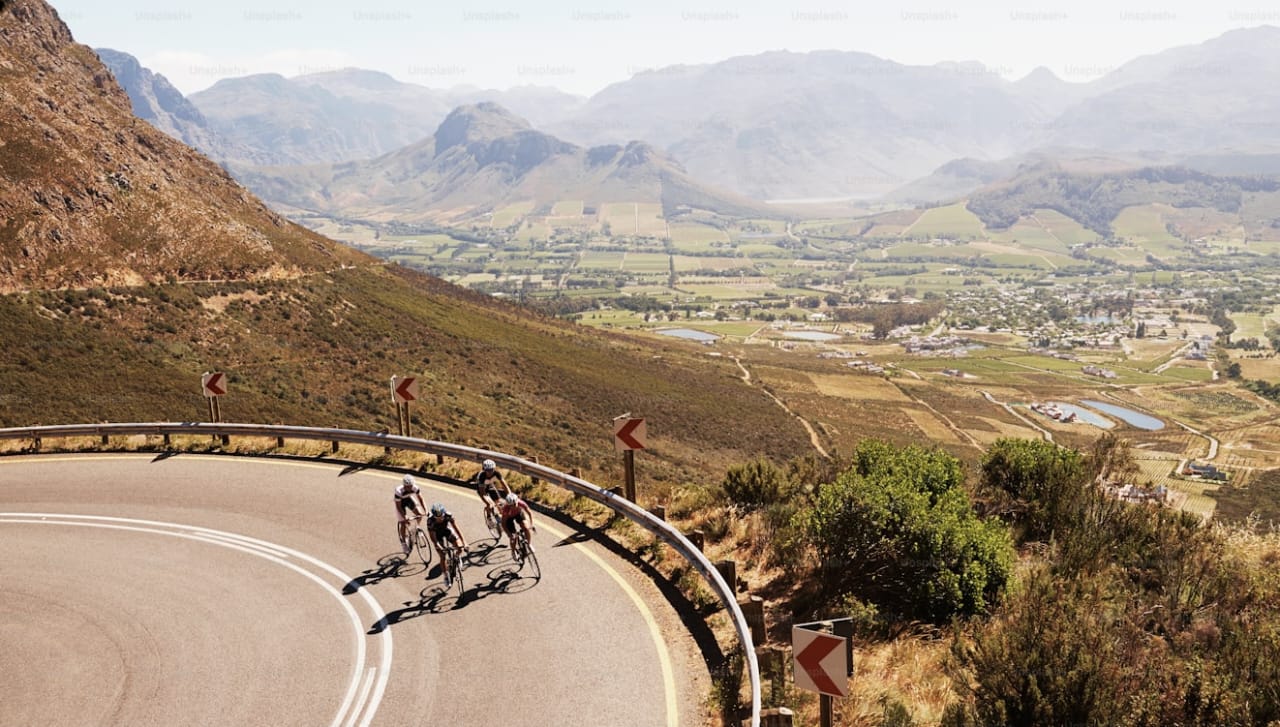
While the High Atlas commands most attention from international adventure travelers, the Anti-Atlas Mountains to the south offer equally compelling opportunities for biking and trekking, with the significant advantage of far fewer visitors and a distinctly different character. Geologically older than the High Atlas and considerably lower in elevation, with peaks rarely exceeding 2,500 meters, the Anti-Atlas presents landscapes of dramatic rock formations, deep gorges, prehistoric rock art, and scattered oasis villages that seem frozen in time. The overall climate is more arid, creating desert-mountain terrain that feels entirely different from the lusher valleys of the High Atlas.
Tafraoute, a small town in the heart of the Anti-Atlas, serves as the primary base for exploring this region. Surrounded by spectacular granite formations tinged with pink and orange hues, Tafraoute offers easy access to numerous biking and trekking routes suitable for various abilities. The famous Painted Rocks, where Belgian artist Jean Vérame painted massive boulders in bright blues and pinks in the 1980s, make for an easy half-day bike ride or walk from town. More challenging routes explore the surrounding valleys, climb to viewpoints offering sweeping desert-mountain panoramas, or visit remote villages where Berber women still produce argan oil using traditional methods.
One of the Anti-Atlas’s greatest attractions for bikers and trekkers is the Ameln Valley, extending south from Tafraoute. This valley showcases traditional Berber architecture at its finest, with villages featuring beautifully decorated houses painted in earth tones and traditional geometric patterns. Cycling or walking from village to village along the valley floor provides gentle exercise combined with rich cultural experiences. Local families welcome visitors for tea, demonstrate traditional crafts, and share stories about valley life. The valley also serves as a starting point for more ambitious treks into the surrounding mountains, including routes to the Jebel Lekst summit at 2,359 meters, which rewards climbers with magnificent views extending to the Atlantic coast on clear days.
For experienced trekkers seeking true adventure and remoteness, the Anti-Atlas offers multi-day routes through seldom-visited terrain. The traverse from Tafraoute to Tafraout, passing through the dramatic Ait Mansour Gorges, combines spectacular scenery with serious physical challenges and requires self-sufficiency or support from experienced local guides. Rock art sites scattered throughout the Anti-Atlas add historical and cultural dimensions to trekking adventures; the Tafraout region alone contains numerous prehistoric carvings depicting wildlife, human figures, and mysterious symbols created thousands of years ago by the region’s ancient inhabitants.
The Siroua Massif, technically part of the Anti-Atlas system and located northeast of Tafraoute, presents another outstanding option for serious mountain adventurers. Jebel Siroua, an extinct volcano reaching 3,304 meters, can be climbed as part of a multi-day trek that also explores surrounding valleys, passes volcanic landscapes, and visits remote Berber villages that see very few tourists. This region remains genuinely off the beaten path, offering adventurous travelers the chance to experience mountain Morocco as it existed before tourism development.
Mountain Biking in the Atlas: Technical Considerations and Route Planning
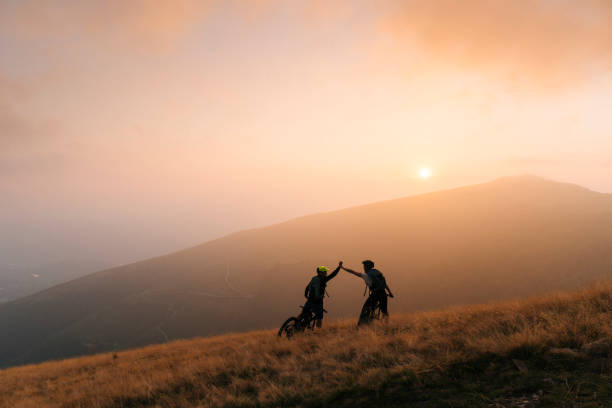
Mountain biking in the Atlas ranges demands careful planning, appropriate equipment, and realistic assessment of skills and fitness levels. Unlike many European or North American mountain biking destinations with marked trails and extensive infrastructure, Atlas Mountain biking often involves navigating unmarked routes, dealing with extreme elevation changes, riding in remote areas where mechanical problems can become serious challenges, and adapting to cultural contexts where mountain biking remains relatively uncommon.
The most critical consideration for Atlas mountain biking is elevation and climbing. Routes regularly involve ascending and descending 1,000 meters or more, with gradients frequently exceeding 10 percent and sometimes approaching 20 percent on steeper sections. The altitude itself affects performance; starting points often sit at 1,500-2,000 meters, and routes regularly climb above 2,500 meters where thinner air noticeably impacts aerobic capacity. Riders accustomed to sea-level biking often underestimate the additional challenge posed by high-altitude riding, making acclimatization and realistic route planning essential.
Technical terrain varies enormously depending on chosen routes. The main mountain roads crossing major passes are paved and suitable for road bikes or touring bikes, though the grades and altitude still provide serious challenges. More interesting for mountain bikers are the countless dirt roads and tracks ranging from well-maintained gravel roads to rough, rocky jeep tracks requiring full-suspension mountain bikes and advanced handling skills. Single-track trails exist but are less common and usually not specifically designed for biking, being primarily mule paths or hiking routes where cyclists may need to dismount and push their bikes through particularly technical sections.
Navigation presents another significant consideration. While some routes are relatively straightforward and follow obvious valley roads, many interesting routes involve complex navigation through networks of trails and dirt roads with minimal or no signage. GPS devices loaded with appropriate maps become essential tools for serious mountain biking adventures. Even with GPS, having a local guide provides enormous advantages: guides know which routes are currently passable, understand weather patterns and seasonal conditions, can communicate with villagers when routes are unclear, and provide cultural context that enriches the entire experience.
For those planning independent mountain biking trips, certain equipment considerations are crucial. Bikes must be mechanically sound and appropriate for rough terrain; full-suspension mountain bikes with good quality components are highly recommended for technical routes, while hardtails or even well-equipped touring bikes can handle gentler valley roads. Carrying comprehensive repair kits is essential, as bike shops are scarce in mountain regions and replacement parts may be impossible to obtain. Riders should carry spare tubes, patches, a pump, tire levers, multi-tools, spare cables, and chain repair links at minimum. Water capacity is critical; routes often pass through arid terrain where water sources are separated by many kilometers, making capacity for at least three liters essential.
Several established mountain biking routes have gained reputations as classic Atlas adventures. The High Atlas Traverse, generally running from Marrakech to the Dades Valley over the course of a week or more, links valleys and crosses multiple high passes, offering experienced riders a comprehensive journey through diverse mountain terrain. Closer to Marrakech, day rides and shorter multi-day routes explore the Ourika Valley, Asni region, and Imlil area, providing excellent introductions to Atlas mountain biking without the commitment of longer expeditions. In the Anti-Atlas, routes radiating from Tafraoute offer superb riding through desert-mountain landscapes with generally less extreme climbing than High Atlas routes, making them appealing for riders wanting spectacular scenery without quite as much suffering.
Trekking Through the Atlas: Routes, Styles, and Preparations
Trekking in the Atlas Mountains accommodates virtually every style of hiking adventure, from comfortable inn-to-inn walks suitable for casual hikers to serious multi-week expeditions into remote wilderness. Understanding the different trekking styles and preparation requirements helps travelers choose appropriate adventures and pack accordingly.
The most accessible trekking style involves day hikes from established bases like Imlil, Tafraoute, or villages in the Ait Bouguemez Valley. These require minimal equipment beyond good hiking boots, day pack, water, and appropriate clothing, and allow trekkers to return each evening to comfortable accommodations with hot showers and meals. Day hiking provides excellent introductions to Atlas landscapes and can be combined with cultural activities, rest days, or other adventures. Typical day hikes might involve walking from Imlil to the village of Aroumd and continuing to waterfalls or viewpoints, exploring side valleys off the Ait Bouguemez main valley, or hiking through the Ameln Valley visiting different villages.
Multi-day inn-to-inn treks represent a popular middle ground, offering extended mountain experiences without requiring camping equipment. These routes link villages with gîtes d’étape, simple but comfortable lodgings offering beds, shared facilities, and meals. Trekkers carry only day packs with personal items while luggage can often be transported by mule or vehicle between stages. This style allows for immersive mountain experiences with reasonable comfort, and the village-to-village nature of the routes facilitates cultural interactions. Popular inn-to-inn routes include various circuits around the Toubkal region, the Ait Bouguemez Valley traverse, and routes through the Mgoun massif.
For serious trekkers seeking greater remoteness and challenge, wilderness trekking with camping or mountain refuge stays opens up vast areas of the Atlas ranges. These expeditions require carrying full camping equipment or staying in basic mountain refuges offering only simple shelter. Routes can extend for many days through high alpine terrain, crossing multiple passes above 3,000 meters and traversing landscapes of stark beauty where human presence is minimal. The Mgoun Traverse, the Toubkal Circuit, and various trans-Atlas routes fall into this category, demanding good fitness, mountain experience, and proper equipment.
Physical preparation for Atlas trekking depends heavily on chosen routes and trekking styles. Casual day hikes require only moderate fitness and hiking experience, while multi-day treks with significant daily elevation gain and loss demand good cardiovascular fitness, leg strength, and hiking experience. Summit attempts on Toubkal or other high peaks add altitude considerations; while not technically difficult in good conditions, altitude sickness can affect anyone regardless of fitness level, making proper acclimatization essential.
Equipment for Atlas trekking must account for significant temperature variations and diverse terrain. Even in summer, high passes can be cold and windy, while valleys can be hot during the day. Layered clothing systems work best, allowing hikers to adjust to changing conditions. Essentials include quality hiking boots broken in before the trip, moisture-wicking base layers, insulating mid-layers, waterproof and windproof outer layers, sun protection including hat and sunglasses, and appropriate sleeping gear if camping. For winter trekking or summit attempts year-round, additional equipment including crampons, ice axes, and warmer sleeping bags may be necessary.
The question of guided versus independent trekking deserves careful consideration. Independent trekking is certainly possible for experienced mountain travelers comfortable with navigation, self-sufficiency, and remote terrain. However, hiring local guides provides numerous advantages beyond simply finding the way. Guides facilitate cultural interactions by translating and providing context, handle accommodation arrangements, navigate bureaucratic requirements like national park permits, make decisions about weather and route conditions based on local knowledge, and provide security in remote areas. Mule support, commonly available through guide services, allows trekkers to carry minimal weight while supplies and camping equipment are transported between camps.
Cultural Immersion: Berber Villages and Mountain Traditions
One of the most rewarding aspects of biking and trekking through the Atlas Mountains is the opportunity to experience traditional Berber culture in communities where ancient ways of life continue despite the modern world’s encroachment. The Berbers, or Amazigh as they call themselves, are North Africa’s indigenous people, inhabiting the Atlas Mountains for thousands of years and developing sophisticated adaptations to challenging mountain environments.
Berber villages in the Atlas typically feature architecture perfectly suited to local conditions and available materials. In the High Atlas, villages cling to hillsides and valley floors, with houses constructed from stone, mudbrick, and wood, often featuring distinctive red earth colors. Flat roofs serve multiple purposes: drying crops, storage, and communal space. Villages are usually organized around water sources, with elaborate irrigation systems distributing precious water to terraced fields. In the Anti-Atlas, architecture tends toward painted houses featuring beautiful geometric patterns and colors ranging from earth tones to vibrant pinks and blues, creating villages of surprising beauty against stark desert-mountain backgrounds.
Agriculture remains central to mountain Berber life despite the challenges of limited water, steep terrain, and short growing seasons. Terraced fields carved into mountainsides over generations allow cultivation of barley, corn, and vegetables, while walnut, almond, and fruit trees provide important supplementary crops. In lower, warmer areas, including parts of the Anti-Atlas, argan trees grow wild, and women’s cooperatives process argan nuts to produce the valuable oil used in cooking and cosmetics. Observing these agricultural practices provides insight into how communities have sustained themselves for centuries through ingenuity, hard work, and deep understanding of their environment.
Social structures in Berber villages remain relatively traditional, with extended families living in close proximity and community decisions often made collectively through village councils. Gender roles are clearly defined, though women wield considerable influence within households and economic spheres. Visitors will notice women handling many daily tasks including water collection, bread baking, and agricultural work, while men typically manage livestock, heavier construction work, and represent families in public forums.
Hospitality constitutes a sacred duty in Berber culture, and travelers passing through mountain villages inevitably experience this remarkable generosity. Being invited for tea is common; refusing such invitations can cause offense. These tea ceremonies are social rituals, not quick caffeine fixes, and travelers should expect to spend time in conversation, exchange pleasantries, and show appreciation for the hospitality offered. Similarly, accepting homestays in villages allows for deeper cultural immersion; families share their homes, prepare traditional meals, and offer glimpses into daily life that would be impossible to observe otherwise.
Language in the Atlas Mountains is multilingual. Berber languages, particularly Tashelhiyt in the High Atlas and Anti-Atlas, are the primary languages of daily life. Arabic is also widely spoken, being Morocco’s official language and the language of government and education. French remains common, especially among younger, educated Berbers and in tourism-related contexts. English is less common but increasingly spoken in areas frequented by international visitors. Travelers making efforts to learn basic Berber phrases will find their efforts appreciated and relationships enhanced.
Traditional crafts continue in many mountain villages, providing both cultural continuity and economic opportunities. Weaving produces beautiful carpets and textiles featuring distinctive patterns and natural dye colors. Pottery, particularly in certain villages with suitable clay deposits, creates functional items and decorative pieces. Silver jewelry featuring Berber symbols and techniques is crafted in some areas. Wood carving produces household items, building elements, and decorative pieces. Observing these crafts and purchasing directly from artisans supports local economies while bringing home authentic souvenirs.
Practical Planning: Logistics, Seasons, and Safety Considerations
Successfully planning biking and trekking adventures in the Atlas Mountains requires attention to numerous practical details ranging from seasonal timing to safety considerations, transportation logistics to permit requirements. Understanding these elements helps ensure adventures are both enjoyable and successful.
Seasonal considerations significantly affect Atlas mountain adventures. The most popular season runs from April through October, with distinct advantages and considerations for different months. Spring (April-May) brings wildflowers blooming across mountain meadows, comfortable temperatures, and snow still capping high peaks while lower valleys are accessible. However, some high passes may remain snowbound, and weather can be unsettled. Summer (June-August) offers stable weather, accessible high routes, and longest days, but valleys can be hot during midday, and popular areas like Toubkal become crowded. Autumn (September-October) provides perhaps the best overall conditions with stable weather, comfortable temperatures, harvest colors, and fewer tourists. Winter (November-March) limits options significantly; high passes are snowbound, weather is unpredictable, and nights are very cold. However, winter can be magical for properly equipped and experienced mountain travelers, with stunning snow scenery and complete solitude in the mountains.
Transportation logistics require planning. Most Atlas mountain adventures begin from Marrakech, Morocco’s most accessible city with an international airport and excellent connections. From Marrakech, reaching trailheads or biking start points involves hiring taxis, using local transport like shared grands taxis, joining organized tours with included transport, or renting vehicles for independent travel. Popular trailheads like Imlil (for Toubkal region) are accessible by regular transport from Marrakech, roughly 90 minutes away. More remote areas like Ait Bouguemez or Tafraoute require longer journeys, possibly involving vehicle rental or hiring entire taxis for reasonable rates when split among multiple travelers.
Permits and regulations affect certain areas. Toubkal National Park requires entry permits, usually arranged by guides or accommodation providers in Imlil. Some other protected areas may have similar requirements, though enforcement is inconsistent. Generally, trekking and biking in most Atlas areas involves few bureaucratic hurdles, though having guides handle such matters simplifies processes.
Safety considerations should never be ignored. The Atlas Mountains, while not technically extreme wilderness, present real hazards including altitude sickness, extreme weather changes, navigation challenges in complex terrain, potential flash flooding in narrow gorges during storms, loose rock on trails, and remoteness from medical facilities. All mountain travelers should carry basic first aid supplies, understand altitude sickness symptoms and management, have contingency plans for emergencies, and honestly assess their fitness and experience levels before undertaking challenging routes. Travel insurance covering mountain activities is essential, as rescue and evacuation from remote mountain areas can be extremely expensive.
Health preparations should include ensuring routine vaccinations are current, considering altitude acclimatization schedules for high-altitude treks, protecting against strong sun at altitude with sunscreen and lip protection, preventing dehydration by drinking ample water, and treating water when sources are uncertain using filters or purification tablets. Travelers with pre-existing medical conditions should consult doctors before undertaking mountain adventures and carry necessary medications with prescriptions.
Equipment requirements vary by activity and season but generally include sturdy footwear appropriate for terrain, layered clothing systems, sun protection, adequate water carrying capacity, navigation tools (maps, compass, GPS), first aid supplies, emergency shelter or bivouac capabilities for serious mountain adventures, and activity-specific gear like bike repair kits or climbing equipment. Quality equipment appropriate for mountain conditions is essential; attempting to economize with inadequate gear risks both comfort and safety.
Connecting with Nature: Wildlife and Ecosystems of the Atlas
The Atlas Mountains support remarkably diverse ecosystems ranging from Mediterranean forests to alpine tundra to semi-desert scrublands, each hosting distinctive plant and animal communities adapted to particular conditions. Biking and trekking through these ranges provides opportunities to observe this biodiversity and understand how altitude, precipitation, and aspect create such ecological variety in relatively compact areas.
Lower elevations, particularly north-facing slopes receiving more precipitation, support forests of oak, juniper, and pine. Higher up, particularly in the High Atlas, spectacular stands of Atlas cedar create forests of cathedral-like grandeur. These cedars, endemic to Morocco and Algeria, can live hundreds of years and reach massive sizes. Sadly, cedar forests have diminished significantly due to logging and climate pressures, making remaining stands particularly precious. Walking through these forests in early morning, with mist filtering through ancient trees and the scent of cedar pervading the air, ranks among the most memorable mountain experiences.
Above the tree line, alpine meadows dominate during the brief summer growing season. These meadows burst with wildflowers in spring and early summer, creating carpets of color including wild iris, poppies, thistles, and numerous endemic species found nowhere else. Berber herders bring flocks of sheep and goats to these high pastures once snow melts, continuing transhumance patterns followed for centuries.
Wildlife in the Atlas Mountains includes several notable species, though many are elusive and encounters require luck and patience. The Barbary macaque, North Africa’s only primate, inhabits cedar forests and rocky areas, often in troops that can sometimes be observed from safe distances. These monkeys face conservation challenges but remain relatively common in certain protected areas. Birds are more easily observed, with species including Bonelli’s eagle, lammergeier vultures soaring on thermals, various falcons and hawks, alpine choughs at high elevations, and numerous smaller songbirds. Reptiles including various lizards and snakes inhabit lower, warmer elevations. Larger mammals like Barbary sheep, caracals, and historically the now-probably-extinct Barbary lion once roamed these mountains, though today such encounters are virtually impossible.
Conservation challenges affect Atlas ecosystems. Overgrazing by livestock, particularly goats, degrades vegetation and causes erosion. Climate change affects precipitation patterns and snowpack, with potentially severe implications for water availability and ecosystems adapted to current conditions. Human population pressure drives deforestation for fuel and building materials, while development pressures from tourism and infrastructure projects create additional threats. Understanding these challenges helps travelers appreciate the fragility of mountain ecosystems and the importance of responsible, low-impact travel practices.
Equipment and Gear: What to Bring for Atlas Adventures
Properly equipping for Atlas mountain biking and trekking requires balancing the need to carry everything necessary for safety and comfort against the burden of excessive weight and bulk. The specific gear needed varies significantly based on activity, season, route difficulty, and trip length, but certain fundamental principles apply across all mountain adventures.
For trekking, footwear stands as perhaps the single most critical equipment decision. Quality hiking boots with good ankle support, sturdy soles capable of handling rocky terrain, and thorough waterproofing are essential for multi-day treks. Breaking in boots thoroughly before the trip prevents blisters and discomfort during critical early days. For less demanding routes or summer conditions, lighter trail runners might suffice for experienced hikers, though most Atlas trekking involves sufficiently rough terrain that proper boots justify their weight.
Clothing for mountain trekking should follow layering principles: moisture-wicking base layers pulling sweat away from skin, insulating mid-layers providing warmth, and waterproof/windproof outer layers protecting against weather. Synthetic or wool materials work far better than cotton, which stays wet and loses all insulating properties. Even in summer, high passes can be cold and windy, making warm layers essential. Conversely, valley hiking can be hot, requiring light, breathable clothing and sun protection. Bringing multiple layers allows adjustment to rapidly changing mountain conditions.
Sleeping systems for camping treks should account for nighttime temperatures at expected elevations. Even summer camping above 2,500 meters can involve freezing temperatures, requiring sleeping bags rated for such conditions. Sleeping pads provide crucial insulation from cold ground while adding comfort to rocky bivouac sites. For refuge or gîte stays, sleep sheets or light sleeping bags suffice, though bringing earplugs for snoring roommates proves wise.
Backpacks must balance carrying capacity against weight and comfort. Day packs of 20-30 liters work for day hikes, while multi-day treks without mule support require 50-70 liter packs capable of carrying camping equipment, food, and supplies. Critical features include comfortable, adjustable suspension systems that properly transfer weight to hips, multiple compartments for organization, external attachment points for equipment like trekking poles or ice axes, and integrated rain covers. Properly fitting and adjusting packs prevents discomfort and injury during long days of hiking.
Navigation equipment remains essential despite the prevalence of guides in popular areas. Detailed maps of trekking areas, preferably at scales of 1:50,000 or larger, allow route planning and orientation. Compasses work without batteries and provide backup navigation capability. GPS devices or GPS-enabled phones loaded with appropriate mapping apps and offline maps have become invaluable tools for mountain navigation, though carrying backup power banks ensures devices don’t die at critical moments.
For mountain biking, equipment considerations extend beyond the bikes themselves. Helmets are absolutely essential, as mountain crashes on rocky terrain can be severe. Padded gloves protect hands during long descents over rough terrain. Cycling-specific clothing with padded shorts significantly improves comfort during long days in the saddle. Eye protection guards against dust, insects, and bright sun at altitude. Comprehensive tool kits, multiple spare tubes, patches, and pumps or CO2 inflators allow for trail-side repairs of common mechanical issues. First aid kits should include supplies for treating road rash and other injuries common to cycling accidents.
Food and Nutrition: Fueling Mountain Adventures
Proper nutrition and hydration significantly affect performance and enjoyment during physically demanding mountain adventures, yet these aspects often receive inadequate attention during planning phases. Understanding nutritional requirements, local food customs, and practical strategies for maintaining energy and hydration in mountain environments helps ensure successful adventures.
Energy requirements increase substantially during mountain biking and trekking compared to normal daily life. A full day of mountain trekking with significant elevation gain can burn 3,000-5,000 calories or more, while hard days of mountain biking can exceed 4,000 calories. Failing to adequately fuel such efforts leads to bonking, poor performance, mood deterioration, and potentially dangerous situations if energy deficits become severe. Planning must account for these enormous energy demands.
For organized treks with guide services, meals are typically included and substantial. Breakfast usually features bread, jam, honey, eggs, and mint tea. Lunch is often a picnic carried from morning, including bread, cheese, tinned fish or meat, fruits, and vegetables. Dinner, the main meal, centers around tagines (slow-cooked stews) or couscous with vegetables and meat, followed by fresh fruit and mint tea. These meals provide good energy and nutrition, though Western travelers may find portions sometimes inadequate for the day’s exertion levels, making supplementary snacks important.
Snacks and supplementary food warrant careful planning. Trail mix combining nuts, dried fruits, and chocolate provides excellent energy density and portability. Energy bars, while not locally available in mountain regions, should be brought from cities or home if preferred. Fresh and dried fruits provide natural sugars and nutrients. Moroccan almonds, dates, and walnuts are excellent local options. For multi-day independent trips, planning requires accounting for all meals, cooking fuel if camping, and weight/bulk considerations when carrying multiple days of food.
Hydration demands special attention in mountain environments, where altitude, exertion, and often arid conditions combine to dramatically increase fluid requirements. Drinking three to five liters daily is common during active mountain days, and even more in hot conditions or at high altitude. Carrying adequate water capacity is essential; routes through arid terrain may have water sources separated by many kilometers, requiring capacity for several liters. Water quality varies; sources in high, uninhabited areas are generally safe, while water from or below villages should be treated by boiling, filtering, or chemical purification to prevent gastrointestinal illness.
Electrolyte replacement becomes important during extended exertion and heavy sweating. While plain water suffices for shorter efforts, longer days benefit from electrolyte supplementation through sports drinks, electrolyte tablets dissolved in water, or simply adding salt to meals and snacks. Moroccan mint tea, ubiquitous in mountain regions, provides both hydration and a small caffeine boost, though excessive tea consumption can contribute to dehydration due to caffeine’s mild diuretic effect.
Special dietary requirements deserve advance planning. Vegetarians and vegans will find mountain diets heavily centered on vegetables, grains, and legumes, making dietary adherence relatively straightforward, though meat appears in most traditional dishes. Communicating dietary requirements clearly to guides or gîte operators before trips allows them to accommodate preferences. Travelers with allergies, particularly to nuts which feature prominently in Moroccan cuisine, must communicate these requirements clearly and carry emergency medications if reactions are severe. Coeliac disease and gluten intolerance present challenges given the prevalence of bread and couscous, though rice and potato-based dishes offer alternatives.
Photography and Documenting Your Atlas Adventure
The spectacular landscapes, cultural richness, and dramatic lighting conditions of the Atlas Mountains create extraordinary opportunities for photography, whether capturing memories with smartphones or pursuing serious landscape and cultural photography. Understanding the particular challenges and opportunities of mountain photography helps travelers return home with images that do justice to their experiences.
Light in the Atlas Mountains possesses unique qualities stemming from altitude, clarity of air, and dramatic topography. Early morning and late afternoon provide the classic golden light beloved by photographers, with warm tones illuminating mountain peaks and valleys. The hour after sunrise and before sunset, often called the golden hour, creates particularly magical conditions when low-angle light creates long shadows emphasizing textures and relief in the landscape. Midday light, harsh and contrasty at lower elevations, can work well at high altitude where atmospheric filtering softens it somewhat, though even here early and late light generally produces superior images.
Landscape photography in the mountains benefits from several technical considerations. Wide-angle lenses capture sweeping vistas and convey the scale of mountain terrain, though telephoto lenses also prove valuable for isolating distant peaks or compressing perspective to emphasize layering of ridges. Tripods, while adding weight and bulk to packs, enable long exposures for softening water movement, shooting in low light conditions, and ensuring maximum sharpness in landscape images. Polarizing filters cut glare from sky and water while intensifying blue tones and cloud contrast, though their effect is strongest at right angles to the sun.
Cultural and portrait photography requires sensitivity and respect. Many Berber people, particularly older individuals and women, feel uncomfortable being photographed, sometimes for religious reasons, sometimes from simple privacy preferences. Always asking permission before photographing people demonstrates respect and often leads to better portraits as subjects relax and cooperate. Offering to show subjects their portraits on camera screens and sending prints later (getting addresses for mailing) builds goodwill and reciprocity. Photographing in villages should be done respectfully; dwelling interiors, women working, and religious spaces may be off-limits or require explicit permission.
Technical challenges in mountain photography include extreme contrast ranges that can exceed camera sensor capabilities, requiring graduated neutral density filters or HDR techniques to capture both bright skies and shadowed valleys in single images. Dust and dry conditions threaten camera equipment, particularly when changing lenses in windy conditions, making weather-sealed equipment valuable and careful handling essential. Cold temperatures at altitude drain batteries quickly, requiring spare batteries kept warm inside clothing layers. Backing up images becomes critical on multi-day adventures; carrying multiple memory cards, portable hard drives, or cloud-uploading when connectivity exists prevents devastating loss if equipment fails or is lost.
Action photography during biking and trekking presents its own challenges. Capturing cycling action requires either having riding partners who can photograph while others ride, mounting action cameras like GoPros to bikes or helmets, or setting up cameras on tripods with self-timers while riding past. Panning techniques can create dynamic images showing motion blur in backgrounds while keeping riders sharp. For trekking, similar techniques apply, with the added option of having guides or other trekkers shoot images during challenging sections of trail.
Sustainable and Responsible Travel in the Atlas Mountains
As mountain tourism in the Atlas ranges grows, so too does the importance of traveling responsibly and sustainably, minimizing negative impacts on fragile mountain ecosystems and traditional communities while maximizing positive contributions. Understanding principles of responsible mountain travel and implementing them during adventures ensures that these remarkable mountains remain unspoiled for future generations while benefiting local communities who call them home.
Environmental responsibility begins with fundamental Leave No Trace principles adapted to mountain contexts. Pack out all trash without exception; even biodegradable items like orange peels and apple cores take years to decompose in arid mountain environments and appear unsightly to subsequent travelers. Human waste disposal requires care, particularly in high-use areas like Toubkal ascent routes. Bury solid waste in catholes at least 200 meters from water sources and trails, or better yet, pack it out in specialized WAG bags. Use established campsites and trails rather than creating new impacts in pristine areas. Avoid disturbing wildlife, keeping distances that prevent animal stress or behavior changes.
Water resource protection deserves particular attention. Avoid contaminating water sources with soap, even biodegradable varieties, washing at least 70 meters from streams and springs. When camping, dispose of gray water similarly away from water sources. Recognize that water scarcity affects many mountain communities, making conservation important even in seemingly water-rich environments.
Cultural sensitivity and respect for local communities fundamentally shape responsible travel in inhabited mountain regions. Dress modestly by local standards, particularly in conservative rural areas; both men and women should cover shoulders and knees at minimum, with women potentially preferring longer skirts or loose pants and avoiding tight or revealing clothing. Remove shoes when entering homes or religious spaces. Respect prayer times and Ramadan fasting if traveling during this month. Ask permission before photographing people or private property. Learn basic phrases in local languages showing respect and effort to connect across cultural divides.
Economic impacts of tourism can be directed toward positive community benefits through thoughtful spending decisions. Hiring local guides and muleteers, staying in family-run gîtes rather than foreign-owned hotels, purchasing handicrafts directly from artisans, and eating in local restaurants rather than bringing all food from cities all channel tourist spending into community economies. While bargaining is expected in some contexts, it should be conducted respectfully and reasonably; impoverishing craftspeople through aggressive bargaining to save trivial amounts of money is exploitative rather than culturally appropriate.
Giving to children and communities requires thoughtful consideration. Handing out candy, pens, money, or other gifts to children who beg creates dependencies, encourages begging behaviors, and can undermine parental authority and cultural values. Better approaches include contributing to established community projects, schools, or health initiatives, or working with guides to identify genuine needs and appropriate ways to help.
Trail maintenance and mountain conservation can involve direct participation. Some organizations coordinate volunteer trail maintenance days or conservation projects that travelers can join. Even informally, picking up litter encountered on trails, reporting trail damage or erosion to authorities or guides, and supporting protected area entry fees and conservation initiatives contribute to mountain preservation.
Guided Tours Versus Independent Travel: Making the Right Choice
One fundamental decision facing travelers planning Atlas mountain adventures is whether to join organized guided tours or travel independently. Both approaches offer distinct advantages and challenges, and the right choice depends on experience levels, budget considerations, desired flexibility, cultural comfort, and specific adventure goals.
Guided tours, offered by numerous agencies both international and Moroccan, provide comprehensive packages typically including transportation from Marrakech, guide services, accommodations, most meals, and sometimes equipment rental. The primary advantage is simplicity and peace of mind; travelers show up and everything is handled, allowing focus on enjoying the experience rather than managing logistics. Guides provide navigation, cultural translation, safety management, and local knowledge that would take years for independent travelers to acquire. For less experienced mountain travelers or those uncomfortable navigating foreign cultural contexts, guided tours offer accessible entry points to Atlas adventures. Group tours also create instant communities, allowing solo travelers to share experiences and costs. International Mountain Biking Federation – Morocco Section
However, guided tours involve tradeoffs. They cost more than independent travel, sometimes significantly so. Flexibility is reduced; itineraries are fixed and changing plans mid-trip to extend stays in appealing locations or skip less interesting sections proves difficult. Group dynamics can enhance or detract from experiences depending on compatibility with other group members. The experience may feel somewhat packaged and less authentic, with interactions with local communities filtered through guides and visits to locations chosen partially for commission opportunities rather than purely their merit.
Independent travel offers maximum flexibility and potentially lower costs. Experienced mountain travelers comfortable with navigation, self-sufficiency, and basic language skills can explore the Atlas ranges on their own terms, adjusting itineraries spontaneously, spending extra time in favorite locations, and creating more direct connections with local communities without intermediaries. The sense of adventure and achievement can be greater when overcoming challenges through one’s own resourcefulness. Costs are reduced by eliminating guide fees and choosing budget accommodations and meals.
Independent travel challenges include significantly more complex planning and logistics, requiring research, booking accommodations, arranging transportation, handling navigation with potentially inadequate maps, managing language barriers, and dealing with unexpected problems without professional support. Safety considerations increase without guides’ local knowledge and risk management expertise. Cultural misunderstandings become more likely without guides to facilitate interactions. For first-time visitors to Morocco or inexperienced mountain travelers, independent travel may prove overwhelming.
A middle ground involves hiring local guides for specific sections while maintaining overall independent travel. This approach allows flexibility in overall planning while accessing local expertise for particularly challenging or remote routes, navigation through complex terrain, or deepening cultural understanding during village stays. Many mountain villages have residents offering informal guide services at very reasonable rates, creating opportunities for authentic interactions while supporting local economies.
Choosing between guided and independent approaches requires honest self-assessment. Consider your mountain experience and fitness level, navigation and outdoor skills, comfort with uncertainty and problem-solving in foreign contexts, language abilities, budget flexibility, available time for planning, and whether you travel alone or with compatible partners. There is no universally correct answer; both approaches can create extraordinary Atlas mountain experiences when matched appropriately to individual travelers.
Best Resources and Links for Planning Your Atlas Adventure
Print resources remain valuable despite digital dominents. Trekking guidebooks from publishers like Cicerone Press and Trailblazer Publications offer detailed route descriptions, maps, and practical advice specifically focused on Atlas mountain adventures. Topographic maps at 1:50,000 or 1:100,000 scales, available from specialty map retailers or increasingly as digital downloads, provide essential navigation tools. Lonely Planet and Rough Guide Morocco editions include substantial sections on mountain regions with practical information and cultural context.Morocco Hiking and Trekking Routes
Online forums and communities provide valuable peer-to-peer information exchange. Mountain travel forums, Morocco-focused travel communities, and cycling forums feature trip reports, advice, and current conditions information shared by travelers recently returned from Atlas adventures. Social media platforms, particularly Instagram and YouTube, offer visual inspiration and increasingly detailed video guides to specific routes and regions, though information quality varies and should be verified against multiple sources.
Local information sources in Morocco itself should not be overlooked. Tourism offices in Marrakech and gateway towns like Imlil and Tafraoute provide maps, guide recommendations, and current information about conditions and access. Gîte and hotel owners in mountain regions possess intimate local knowledge and can offer advice on routes, weather, and local guides. Reputable tour operators based in Morocco combine local expertise with professional service standards, offering alternatives to international tour companies while keeping more money in the Moroccan economy.
FAQ – Biking and Trekking Through the High Atlas and Anti-Atlas Mountains
1. What fitness level is required for Atlas mountain biking and trekking?
Fitness requirements vary enormously depending on chosen activities. Gentle valley cycling and day hiking require only moderate fitness comparable to regular recreational exercise. Multi-day treks with significant daily elevation gain and loss demand good cardiovascular fitness and leg strength, while summit attempts on Toubkal or challenging mountain biking routes require very good fitness. Most travelers with regular exercise habits can complete standard treks after appropriate acclimatization, but honest self-assessment is important for safety and enjoyment.
2. When is the best time to visit the Atlas Mountains for outdoor adventures?
Spring (April-May) and autumn (September-October) offer optimal conditions with comfortable temperatures, stable weather, and accessible high routes. Summer (June-August) works well despite hot valley temperatures, as high elevations remain pleasant. Winter (November-March) limits options due to snow and cold but offers unique experiences for properly equipped adventurers. The best season depends on specific planned activities and personal temperature preferences.
3. Do I need a guide for Atlas mountain adventures?
Guides are not legally required for most Atlas routes but offer substantial benefits including navigation expertise, cultural translation, safety management, and logistical support. Inexperienced mountain travelers, those uncomfortable with navigation and self-sufficiency, and anyone seeking deeper cultural understanding benefit significantly from guides. Experienced mountain travelers with good navigation skills can trek independently on many routes, though even experienced adventurers often appreciate local knowledge guides provide.
4. How difficult is climbing Mount Toubkal?
Toubkal is technically straightforward in summer conditions, requiring no climbing skills or specialized equipment beyond good hiking boots and warm clothing. However, the altitude (4,167m) affects many climbers regardless of fitness, steep terrain demands leg strength and endurance, and weather can change rapidly. Proper acclimatization is essential, typically involving at least one night at Toubkal Refuge (3,207m) before summit attempts. Winter ascents require winter mountaineering skills and equipment including crampons and ice axes.
5. Can beginners do mountain biking in the Atlas?
Gentle valley routes like those in Ait Bouguemez or around Tafraoute suit beginners with basic cycling skills, offering moderate distances on relatively flat terrain. However, most Atlas mountain biking involves significant climbing, technical descents, and rough terrain requiring intermediate to advanced skills. Beginners should choose routes carefully, consider guided tours with support vehicles, and honestly assess abilities before committing to challenging routes.
6. What about altitude sickness in the Atlas Mountains?
Altitude sickness can affect anyone above approximately 2,500 meters regardless of fitness level. Toubkal treks and routes crossing high passes present altitude risks. Proper acclimatization through gradual ascent, spending nights at intermediate elevations before going higher, staying well hydrated, and recognizing symptoms (headache, nausea, dizziness, unusual fatigue) are essential. Most travelers acclimatize successfully with appropriate precautions, but some must descend if symptoms become severe.
7. Is it safe to travel in the Atlas Mountains?
The Atlas Mountains are generally very safe for travelers. Violent crime is rare, and Berber mountain communities are known for hospitality rather than hostility. Risks primarily involve natural hazards including altitude, weather, remote terrain, and outdoor accidents rather than human threats. Standard precautions apply: travel with companions or guides in remote areas, inform others of plans, carry emergency communication devices when possible, and purchase comprehensive travel insurance covering mountain activities.
8. What accommodation options exist in the Atlas Mountains?
Accommodation ranges from basic camping to comfortable mountain lodges. Villages throughout the ranges have gîtes d’étape offering simple rooms with shared facilities and home-cooked meals. Mountain refuges provide dormitory-style accommodation at high elevations on popular routes like Toubkal. Traditional homestays allow cultural immersion while supporting local families. Larger towns like Imlil and Tafraoute offer small hotels with private rooms and more amenities. Camping is possible throughout the mountains, either wild camping in remote areas or at designated campsites near villages.
9. How much does an Atlas mountain adventure cost?
Costs vary dramatically based on travel style. Independent budget travelers spending nights in gîtes, using local transport, and buying food in markets might spend $30-50 daily. Mid-range travelers using guides, comfortable accommodations, and organized transport typically spend $80-150 daily. Luxury guided tours with premium services can exceed $200-300 daily. Multi-day guided treks typically cost $60-100 per person per day including guide, mule support, and accommodations when traveling in small groups.
10. What language barriers will I encounter?
Berber languages (primarily Tashelhiyt) dominate daily life in mountain villages, with Arabic also widely spoken. French is common, especially in tourism-related contexts and among educated younger people. English is less widespread but increasingly spoken in popular areas like Imlil. Learning basic French phrases helps significantly, while efforts to learn even a few Berber words are deeply appreciated. Guides fluently translate and facilitate communication. Many mountain travelers successfully navigate language barriers through patience, gestures, and goodwill even without shared languages.
11. Can I rent mountain biking equipment in Morocco?
Quality mountain bike rentals are available in Marrakech and gateway towns like Imlil, with options ranging from basic hardtail mountain bikes to high-end full-suspension models. Rental costs typically range from $20-60 daily depending on bike quality. Equipment condition varies; carefully inspect bikes before renting and test gears, brakes, and suspension. For serious multi-day mountain biking, many experienced riders prefer bringing their own bikes as airline baggage to ensure quality and proper fit, despite the hassle and potential fees.
12. Are the Atlas Mountains suitable for family adventures?
Absolutely. Gentler routes in valleys like Ait Bouguemez or around Tafraoute suit families with children, offering moderate walking and cycling without extreme challenges. Older children with reasonable fitness can complete Toubkal ascents with proper acclimatization and preparation. Cultural aspects of Atlas travel fascinate children, including village visits, mule encounters, and staying in traditional accommodations. Family-friendly guided tours are available, often with flexible itineraries accommodating children’s needs and shorter attention spans.
Conclusion
The High Atlas and Anti-Atlas Mountains of Morocco stand as one of the world’s most rewarding destinations for mountain biking and trekking adventures, offering an extraordinary combination of spectacular natural landscapes, profound cultural richness, physical challenges matched to virtually any ability level, and the warmth of legendary Berber hospitality. From the first glimpses of snow-capped peaks rising above Marrakech’s palm groves to the final switchbacks descending back toward civilization after days in remote valleys, every aspect of Atlas mountain adventures delivers experiences that resonate deeply and create memories that endure for lifetimes.
These mountains offer something increasingly rare in our interconnected, developed world: genuine adventure coupled with authentic cultural immersion. Unlike many mountain regions where wilderness experiences unfold far from human habitation, or tourist destinations where traditional cultures have been commercialized beyond recognition, the Atlas Mountains maintain a remarkable balance. Here, travelers can push themselves physically on demanding ascents and technical descents while simultaneously engaging with communities whose ways of life maintain profound connections to ancient traditions. Sharing tea in a village home after a long day on the trail, watching the sun set over Toubkal’s summit from a mountain refuge, navigating a technical descent through boulder fields, or simply cycling through terraced valleys where farmers work fields as their ancestors did centuries ago – these experiences combine physical adventure with human connection in ways that purely wilderness expeditions or entirely cultural tours cannot match.
The diversity of experiences available ensures that Atlas mountain adventures can be tailored to match widely varying preferences, abilities, and interests. Hardcore adventurers seeking serious physical challenges find multi-day expeditions crossing high passes, technical mountain biking routes demanding advanced skills, and summit attempts requiring altitude management and mountain craft. Casual travelers wanting gentler introductions to mountain adventure discover valley walks through stunning scenery, moderate cycling routes connecting villages, and comfortable inn-to-inn treks with hot showers each evening. Culture-focused visitors engage deeply with Berber communities through homestays, craft workshops, and guided village tours. Photographers capture landscapes, light, and portraits that would be impossible to replicate elsewhere. Families create shared adventures that children remember and treasure. Every traveler finds their own Atlas experience, shaped by personal goals and preferences but universally enriched by the mountains’ magnificence and the people’s warmth.
The transformative power of mountain adventure, long recognized by mountaineers and outdoor enthusiasts, manifests particularly strongly in the Atlas ranges. There is something about testing yourself against mountain terrain, about the clarity that comes from sustained physical effort in thin air, about sleeping under vast star fields far from cities, about earning stunning vistas through hard climbs, that changes perspectives and creates insights unavailable in ordinary life. The Atlas Mountains facilitate these transformations while adding cultural dimensions that purely physical challenges cannot provide. Conversations with village elders about changes they’ve witnessed across decades, observations of sustainable agricultural practices evolved over centuries, witnessing the pride people take in sharing their homeland with visitors – these human elements complement and deepen the personal growth catalyzed by physical mountain adventure.
As you plan your own Atlas mountain adventure, whether it is a day hike from Imlil, a week-long trek through remote valleys, a challenging mountain biking expedition, or a summit attempt on Toubkal, approach it with appropriate preparation but also with openness to the unexpected. The most memorable moments often occur unplanned: the impromptu invitation to a wedding celebration in a village where you stopped for water, the elderly shepherd who insists on guiding you across a confusing section of trail, the thunderstorm that forces an unplanned night in a refuge creating friendships with fellow travelers, the dawn when you emerge from your tent to find snow has transformed the landscape overnight. These unscripted moments, impossible to anticipate or engineer, often become the stories told most frequently after returning home.
The Atlas Mountains await with their combination of challenge and beauty, adventure and culture, demanding climbs and welcoming tea ceremonies. Whether you summit Toubkal and claim your position atop North Africa, bike through the stunning rock formations of the Anti-Atlas, trek village to village through the Ait Bouguemez Valley, or create your own unique Atlas adventure, these mountains will reward your efforts with experiences that transcend simple tourism. In an age when much of world travel has become standardized and predictable, when authentic experiences grow increasingly rare and manufactured alternatives proliferate, the Atlas Mountains remain genuinely special – places where adventure remains real, where cultures maintain meaningful connections to their histories, and where travelers willing to venture beyond comfort zones discover not only stunning landscapes and physical challenges but also dimensions of themselves revealed only through such journeys.
So lace up your hiking boots, pump up your bike tires, pack your curiosity alongside your equipment, and set out into the Atlas Mountains. Whether you travel independently or with guides, for days or weeks, seeking summits or cultural immersion, you will return changed. The mountains will have left their mark: in stronger legs and expanded lungs, certainly, but more importantly in broadened perspectives, deeper appreciation for diverse ways of living, and memories of landscapes and people that will call you back long after you have returned to ordinary life. The Atlas Mountains have welcomed travelers for thousands of years, and they welcome you now to discover their majesty, embrace their challenges, and experience their magic. Your adventure awaits among these ancient peaks and timeless valleys – go forth and embrace it fully.